A familiar grade can help you narrow your shortlist. The brewed cup tells you which sample suits your menu, distribution range or retail blend.
Use the grade to narrow the shortlist
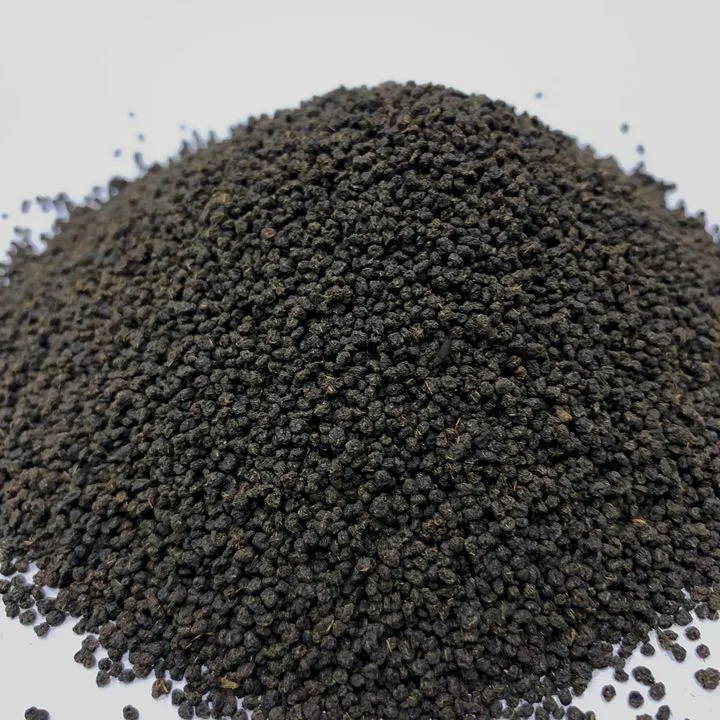
Grades such as BP and BOPSM describe the particle style of the tea. Fannings and dust have smaller particles. Ask the supplier which samples match your preparation method and target cup profile, then request a few options you can brew side by side.
Keep the tasting conditions consistent
Weigh the same amount of tea for each sample. Use the same water, vessel and brew time. If your customers drink milk chai, also test with your normal milk ratio and sugar. Compare colour, aroma, body and aftertaste under both conditions. Label cups with simple codes if several people are tasting.
Compare the amount you need per cup
Once you have a shortlist, try each sample at the dose needed to give the cup you want. A sample’s price per kilogram is only one part of the comparison. For example, 4 g per serving gives 250 servings per kilogram before handling losses. Use your tested dose and the quoted price to compare the tea cost per cup.
Keep a reference for repeat orders
Record the supplier’s sample code, agreed grade or blend, pack size and tasting notes. If a later batch feels different, brew it against the reference using the same preparation method before deciding what needs to change. Share your notes with the supplier when asking about another lot.